Wildlife On A Canoe Paddle: What The Operator Says
Wildlife is one of the main reasons travellers pick a river paddle over a wine day in Margaret River. Here is exactly what operators publish, what they leave unsaid, and how to read between the lines without inventing a sighting.
Short answer
The only stated wildlife fact on the Margaret River canoe paddle is that the route travels upstream past forested kangaroo habitats. No operator publishes a sighting list, and no species beyond kangaroos is promised anywhere. The river is motor-free, which improves the odds of quiet viewing, and the right move is to ask the operator directly when booking.
Wildlife sells the Margaret River paddle. It is the quietest stretch of water in the region, locked behind a sandbar that opens and closes on its own schedule, and it is the one tour style where the selling point is stillness rather than cellar doors. Yet when you go looking for hard facts about what animals you might actually see, the published record is remarkably thin, and most of what circulates online is filler.
Where a detail is unknown, treat it as unknown, because a real gap is more useful to you than a confident guess. It also gives you the exact questions to put to an operator, so the gaps become answers before you commit a morning to the water.
What Wildlife Is Actually Published For The Paddle?
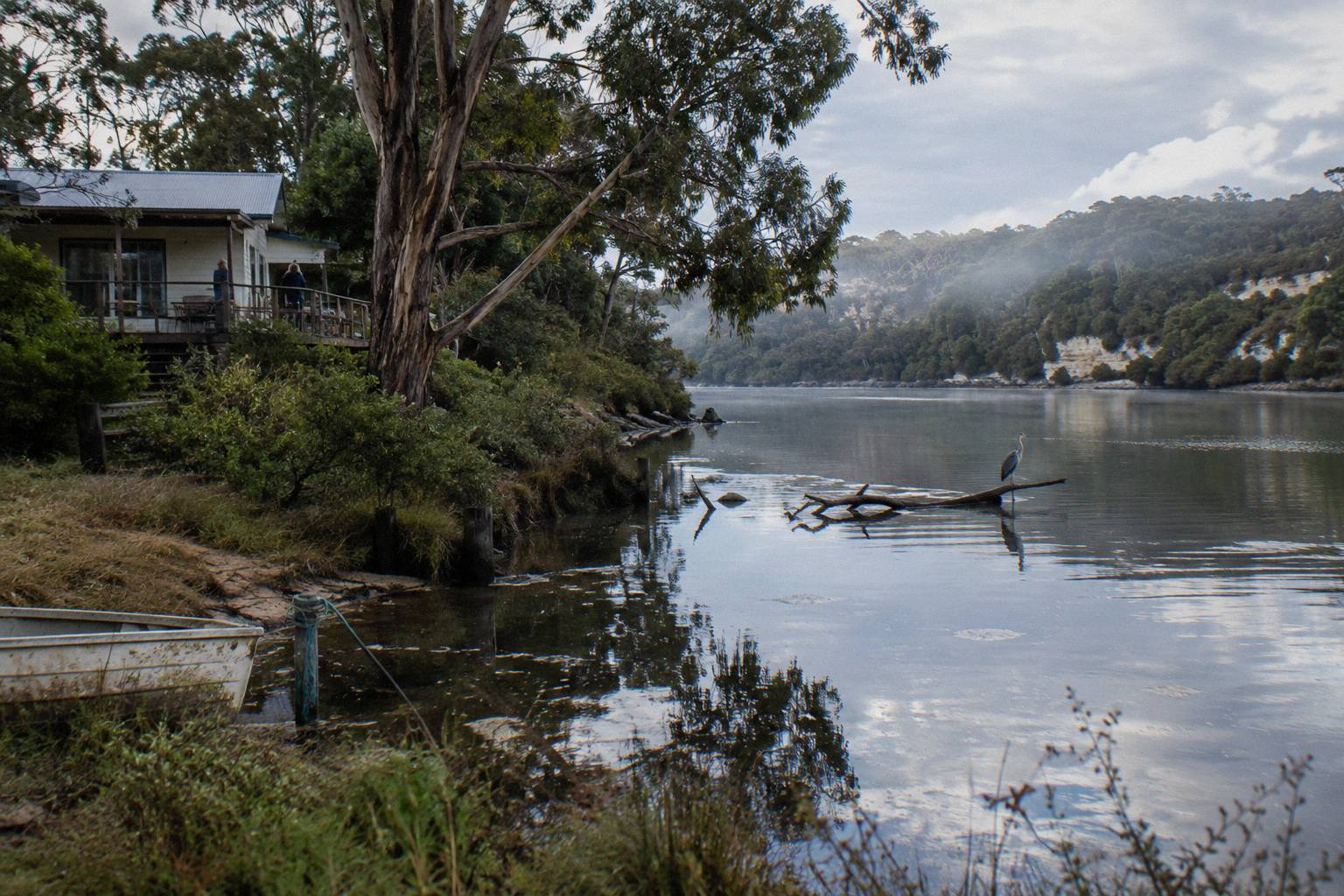
The single stated wildlife fact on the guided canoe route is that the paddle travels upstream past forested kangaroo habitats. That is the whole of it. No operator running a Margaret River canoe trip publishes a sighting list, names a bird species, promises dolphins, or attaches a season or time of day to any animal. Everything else you may have read about the river's wildlife is either regional background or someone's guess dressed up as a promise.
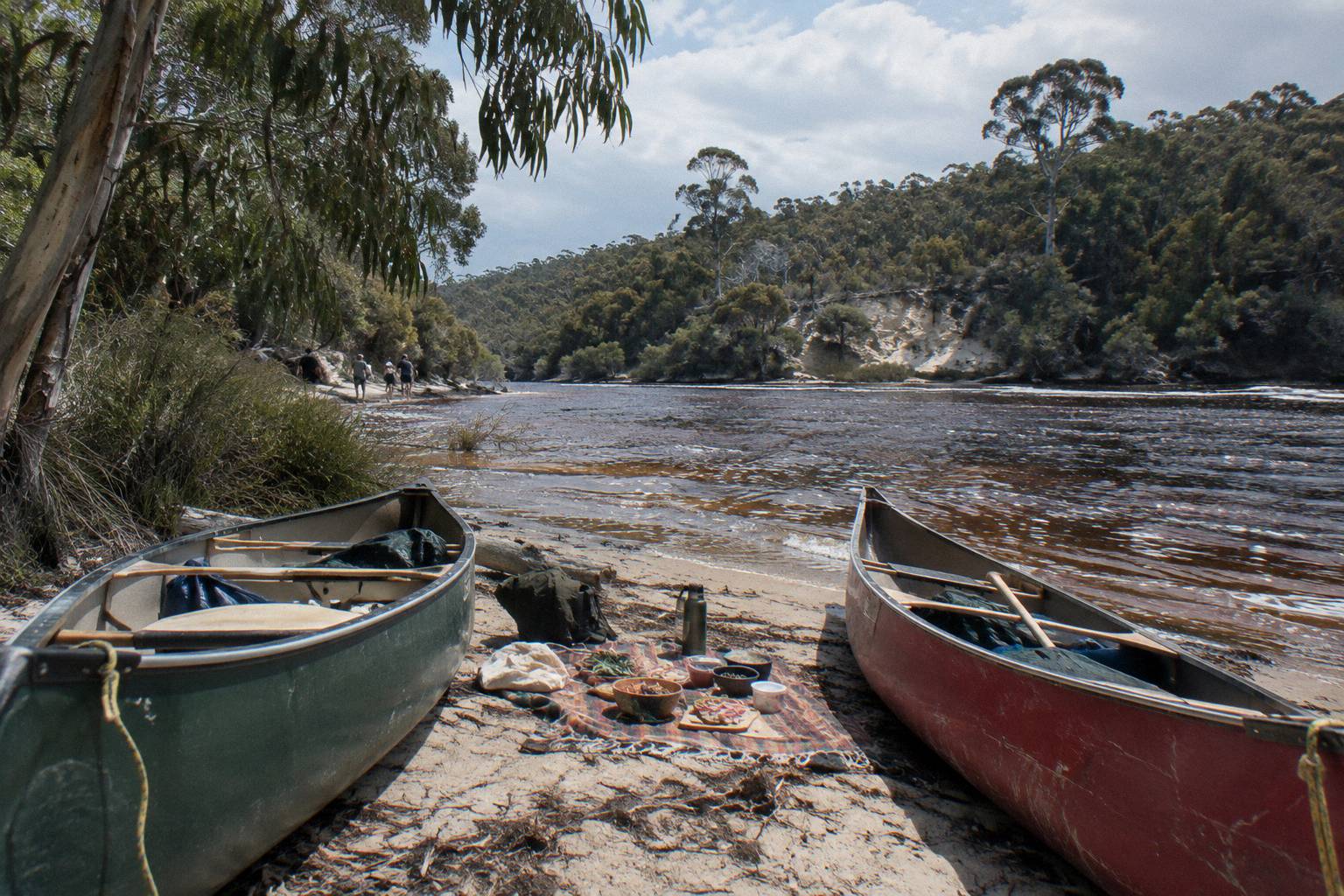
The claim comes from Bushtucker Wine And River Tours, which runs the Wild Food Canoe Lunch from the river mouth at Prevelly. Its route description says the paddle goes from the river mouth into the river valley past cliffs and pioneer and Aboriginal sites, then upstream past forested kangaroo habitats. "Habitats" means country where kangaroos live, not a schedule of appearances. The operator makes no guarantee, and neither should any article you read.
It is worth being blunt about what this means in practice. People arrive expecting a wildlife cruise because travel content often implies one. The published reality is a calm, motor-free river through forest and cliff country, with kangaroo habitat on the upstream reaches, and whatever else shows up is luck. Framed that way, a paddle with Margaret River Canoe Tours is best booked for the river and the lunch, with animals as a genuine possibility rather than the product.
Here is the full published record, stated and unstated, in one place:
| Claim | Published? | Source and wording |
|---|---|---|
| Route passes forested kangaroo habitats | Yes | Operator route description, "upstream past forested kangaroo habitats" |
| Bird species seen on the paddle | No | Ask the operator before you book |
| Dolphins in the river | No | No operator or official source claims this |
| Fish, turtles or reptiles on the route | No | Ask the operator before you book |
| Best season or time of day for animals | No | No operator publishes a seasonal wildlife claim |
| River is motor-free | Yes | Operator: "no motor craft are permitted on the river" |
| River behaves like a long lake most of the year | Yes, attributed | A self-guided hire base describes its stretch that way |
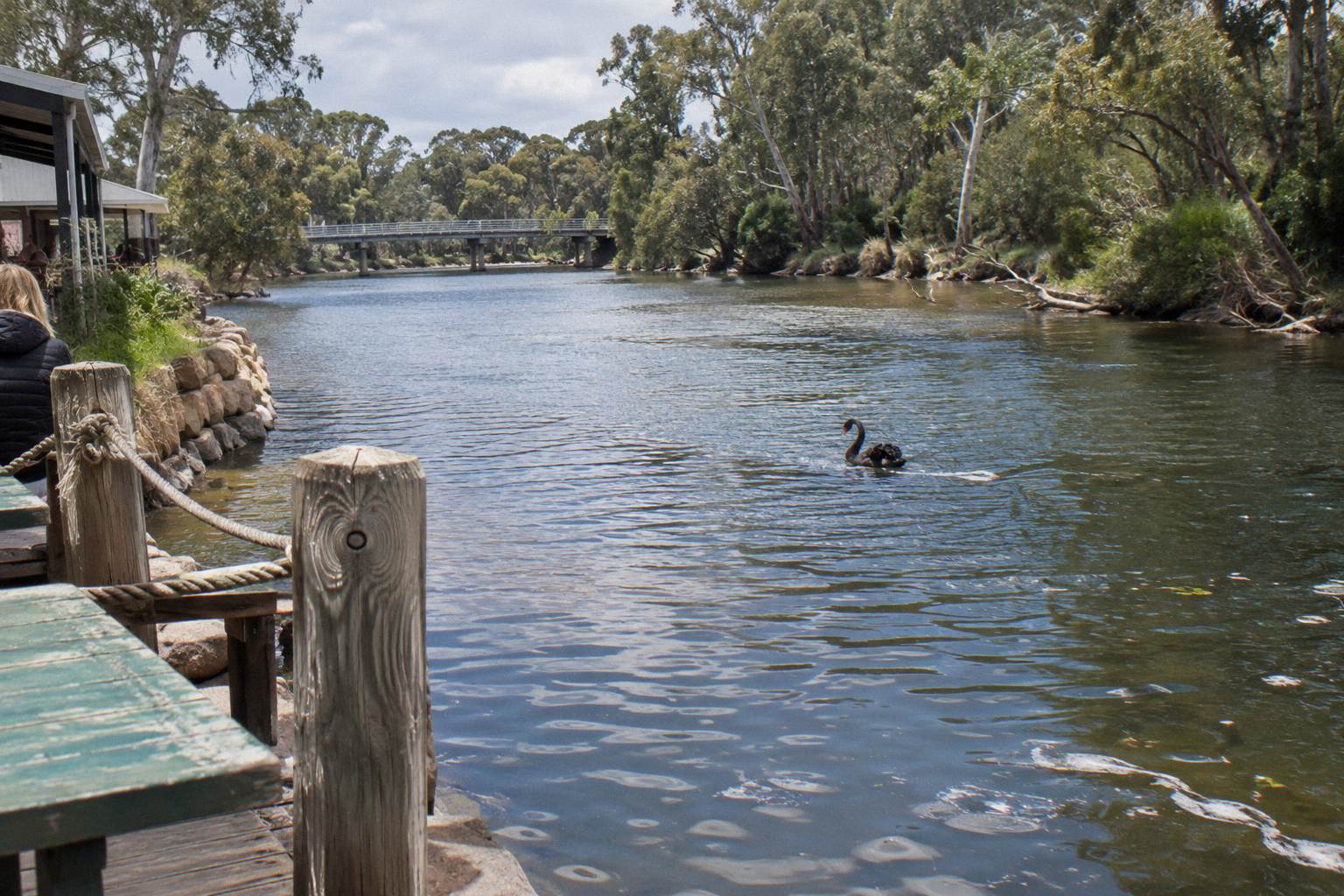
Treat that table as your best-case maximum. If a page elsewhere names black swans, dolphins or osprey as things you will see from a canoe on this river, ask it for the source, because none of the operators or agencies involved publishes any such claim. For a wider look at what does live along this waterway, our guide to wildlife and the river environment gathers the cultural and natural background that is verifiable.
Why A Motor-Free River Changes The Wildlife Odds
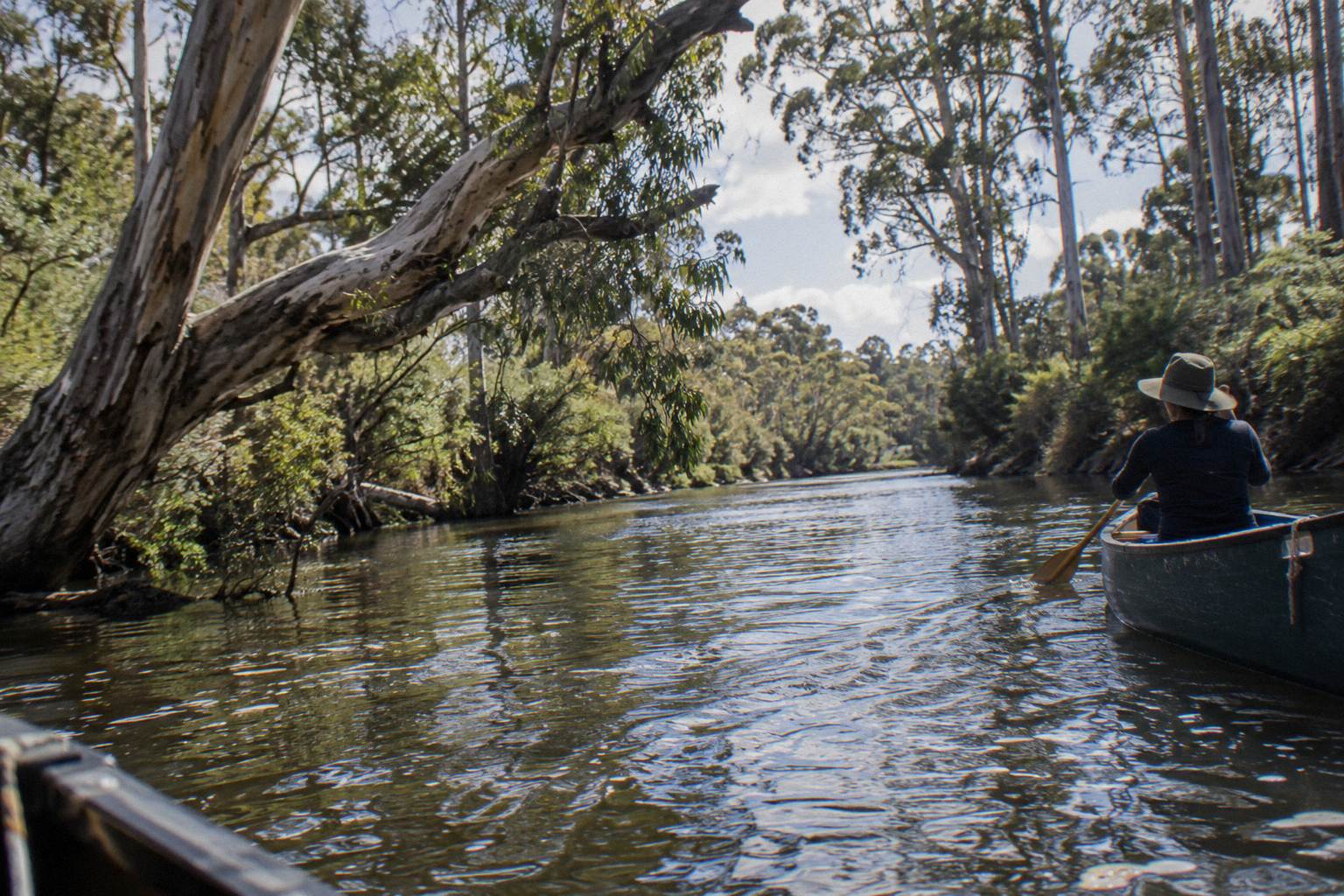
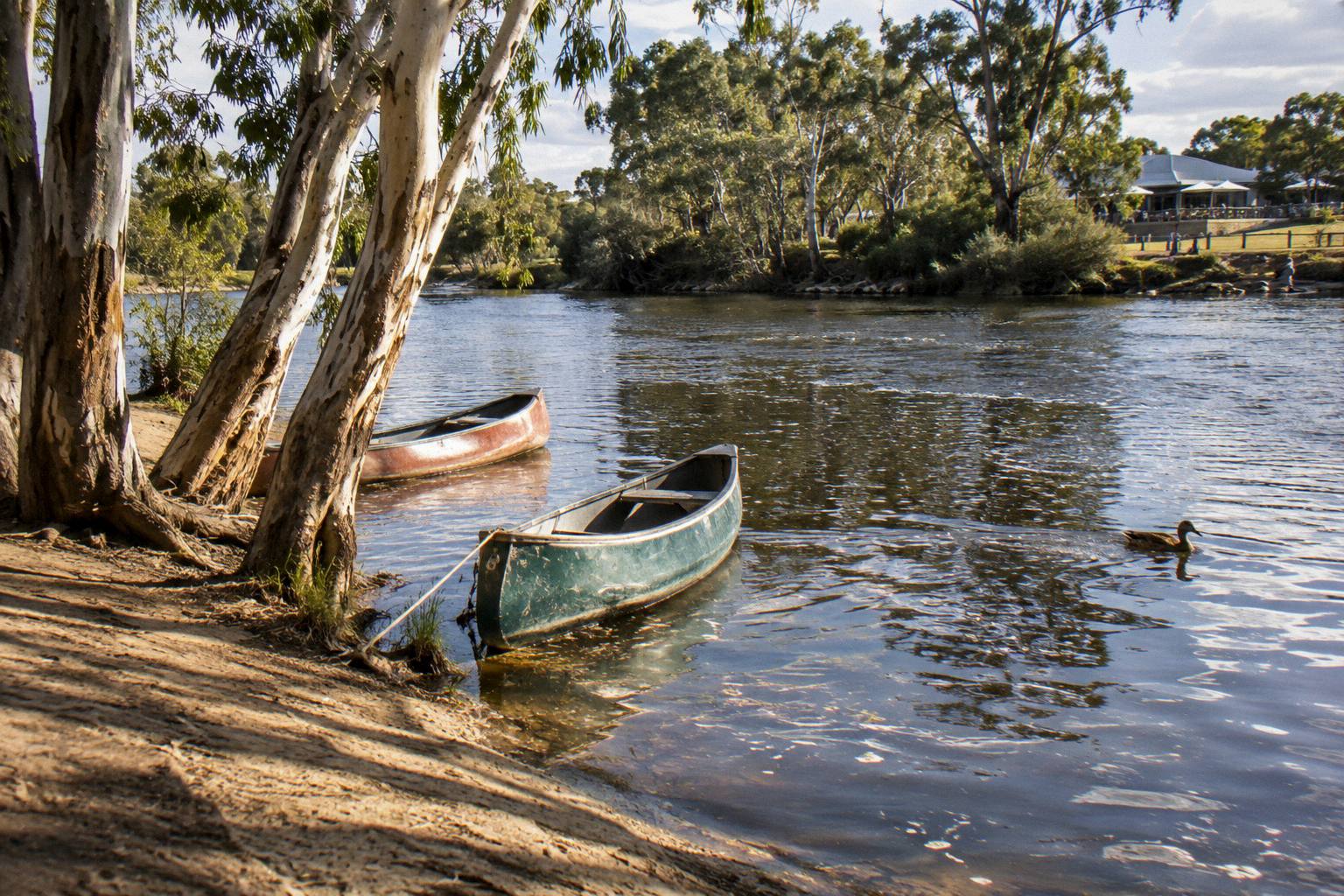
The Margaret River below the sandbar is closed to motor craft, which removes engine noise from the water entirely and makes a canoe the natural way to travel it. The operator states plainly that "no motor craft are permitted on the river," and a self-guided hire base adds that there is no vehicle access to its section. For wildlife viewing, that silence is the one structural advantage a paddler has.
Quiet water matters more than people expect. On a river with boats, animals keep their distance from the water entirely; on a motor-free reach, the shoreline is the only disturbed zone, and a drifting canoe makes less noise than a conversation. The hire base that works this stretch describes it as having no motor boats and no vehicle access, and says that for most of the year it is more like a beautiful long lake with no strong river currents, while the mouth opens only for a short period each year. Those are that business's words about its own hire stretch, not a rating of the guided trips, but they describe the same water.
The river's physical setting supports the same argument. The Shire of Augusta Margaret River notes that the river is known to the Wadandi people as Wooditjup, runs about 60 kilometres, drains a catchment of about 477 square kilometres through a 190 kilometre network of tributaries, and finishes at a mouth that naturally opens and closes as river flows, rainfall and ocean conditions change. When the sandbar is closed, freshwater pools form in the lower river, which is precisely the calm, protected habitat waterbirds and shoreline animals favour.
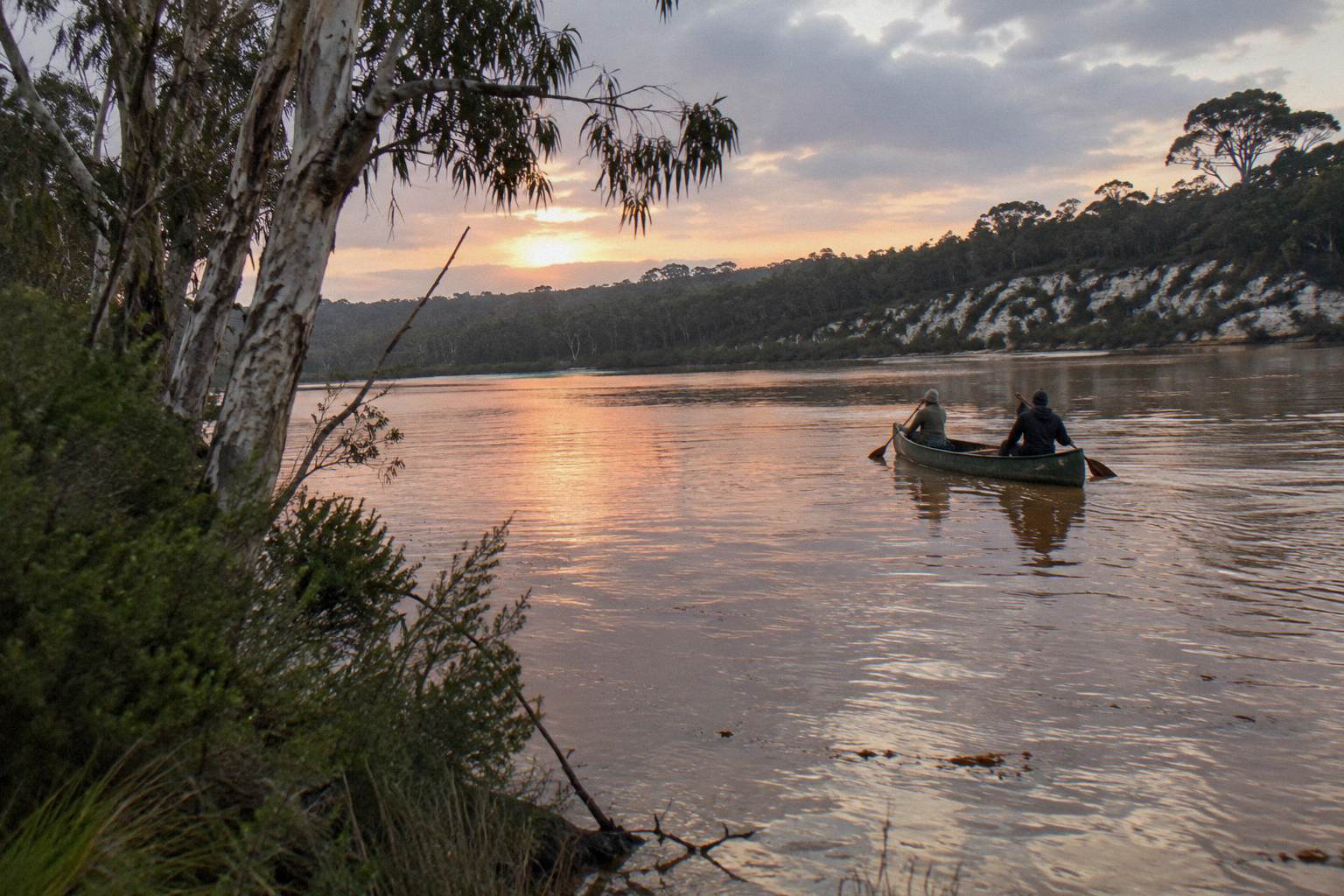
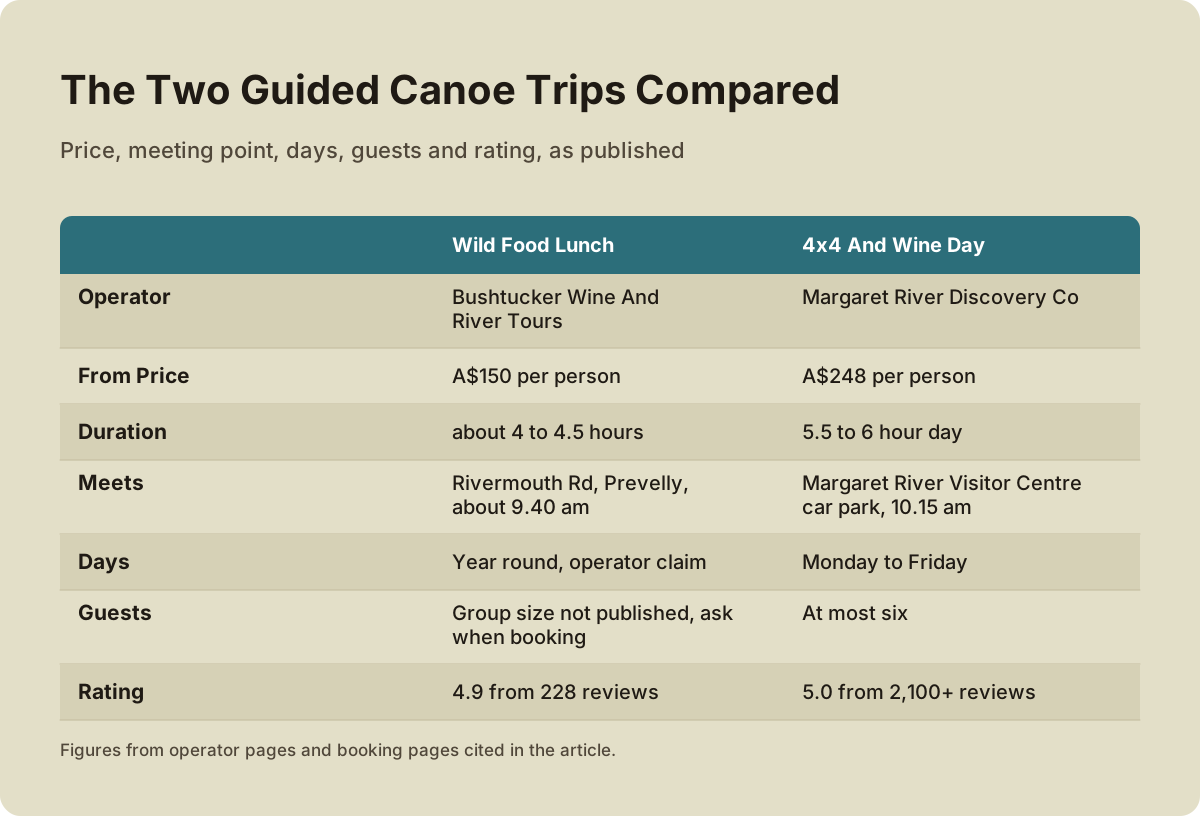
Two guided trips use this water, in completely different styles. The Wild Food Canoe Lunch, from A$150 per person, rated 4.9 from 228 reviews, spends about 4 to 4.5 hours on the river with a wild food lunch, and the operator says it runs year round. The Canoe, 4x4 And Wine Day, from A$248 per person, rated 5.0 from 2,100+ reviews and the trip with the most reviews, folds a canoe leg into a 5.5 to 6 hour day with a 4x4 stretch, a waterhole visit and a lunch with wine. Neither is a wildlife tour, and neither is sold as one, but the canoe leg is where the quiet-water advantage lives. Our comparison of the two trip styles breaks down which suits which traveller.
Where The Kangaroo Habitats Sit On The Route
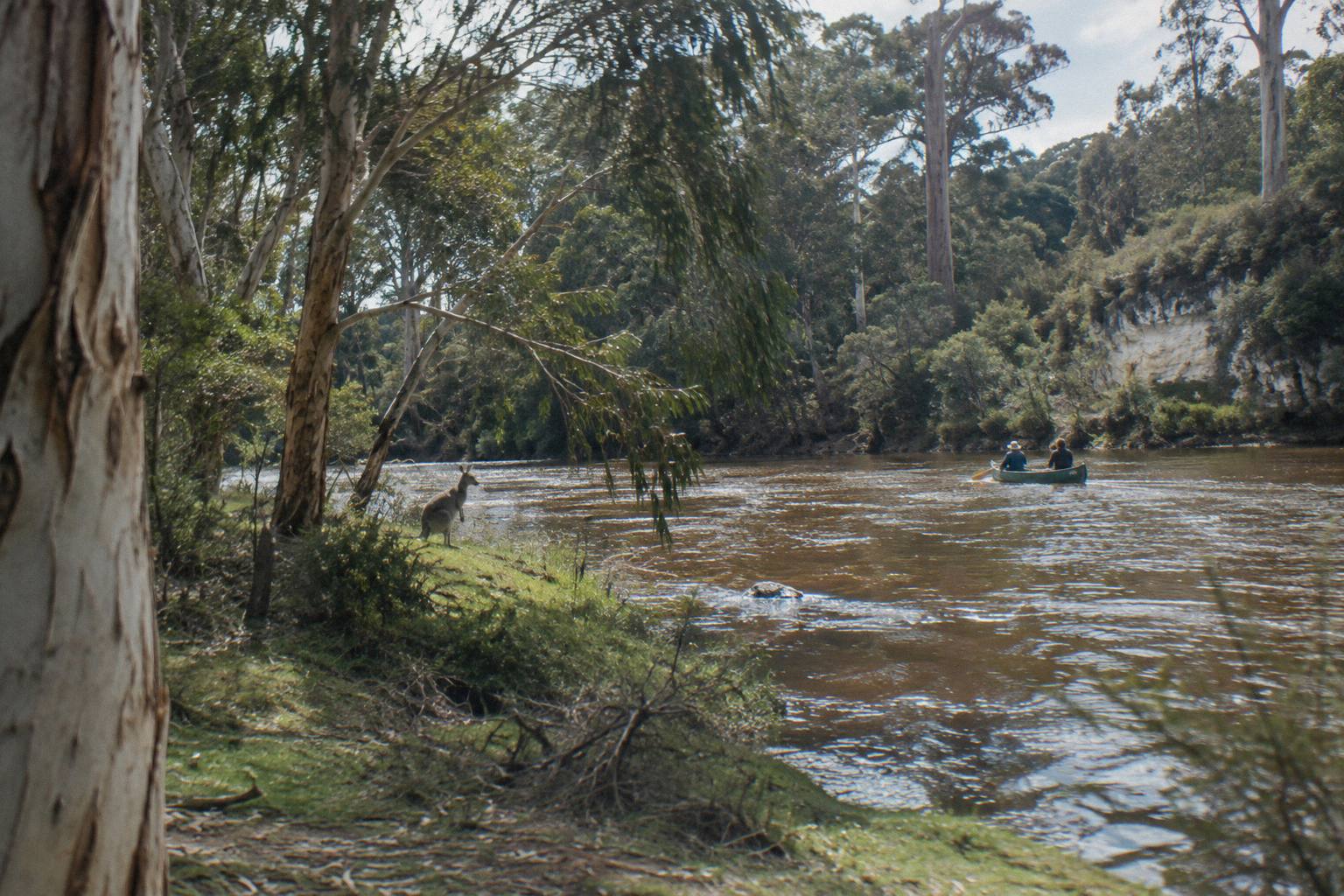
The published route runs from the river mouth at Prevelly into the river valley, past cliffs and heritage sites, then upstream past the forested kangaroo habitats, so the kangaroo country sits on the upstream half of the paddle rather than at the start. The timing is fixed and public: on the water about 10.15 am, lunch served by 1 pm, back at Surfer's Beach about 2 pm. No operator claims kangaroos appear at any particular hour, and none should.
The meeting logistics are worth knowing because they shape the day. The Wild Food Canoe Lunch meets about 9.40 am, the operator's wording, or 9:45 am on the booking page, at the Margaret River mouth car park at the end of Rivermouth Rd in Prevelly. Pickup from the Margaret River Visitor Centre at 9.30 am is available by arrangement if you have no transport, though two booking pages report the transport question differently, so ask the operator when you book. Prevelly sits about 10 minutes from Margaret River town, which makes the morning start easy to plan around; our guide to the meeting point and getting there covers it in full.
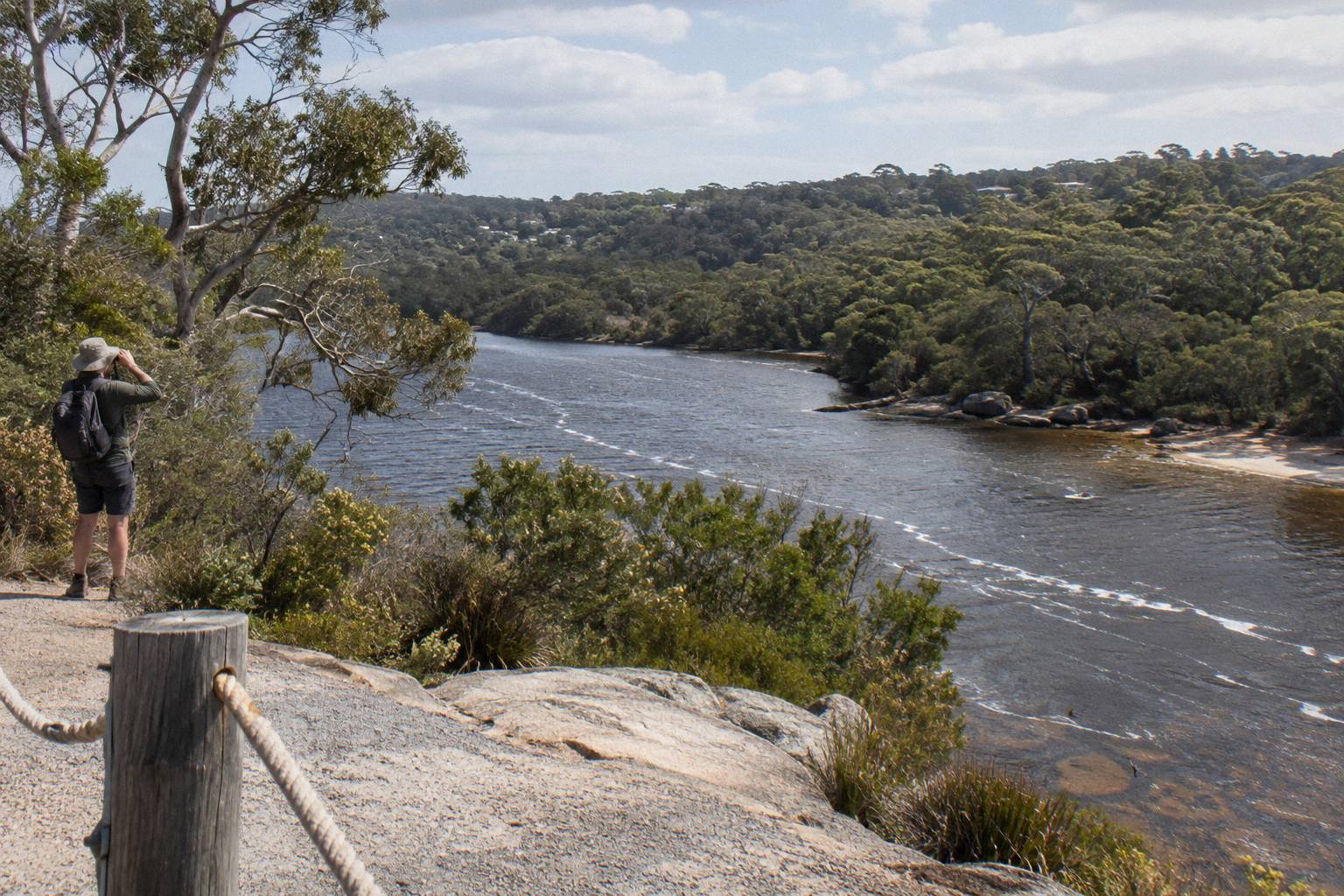
Upstream of the mouth the country changes character. The operator describes cliffs, pioneer and Aboriginal sites, and forested banks that are, in its words, kangaroo habitats. The operator also tells the history of the first inhabitants of the river and of the Bussell family of Busselton during the paddle, which is a reminder that this reach is cultural landscape as much as habitat. Foregrounding that heritage is not padding; it is the published substance of the trip, and it is what you are actually buying alongside the chance of animals.
The Canoe, 4x4 And Wine Day takes a different cut at the same water. Margaret River Discovery Co paddles a section of the river, stops for a beach coffee to check the surf, visits a waterhole with freshwater marron and local honey, then heads to a barrel-room lunch with premium wine at Fraser Gallop Estate and a 4x4 leg along the Wilyabrup Cliffs. It runs Monday to Friday, departs 10.15 am from the Margaret River Visitor Centre car park, and takes at most six guests. The waterhole with marron is the closest thing to a stated wildlife-adjacent stop on either itinerary, and it is a food-animal fact, not a sighting promise.
What To Ask The Operator Before You Book
Because no operator publishes minimum age, weight limits, swimming ability requirements, what to bring, a wet-weather policy or group size, the booking conversation is where those answers live. The operator does not publish this, so ask when you book, and add your wildlife questions to the same call. A short, direct list beats a long email, and any operator that paddles this river weekly can answer every item below in a couple of minutes.
The questions worth asking fall into two groups: the practical gaps, and the wildlife specifics. Here is a working checklist.
| Ask about | Why it matters | Who to ask |
|---|---|---|
| Recent kangaroo activity on the upstream reach | The only published habitat fact, and the operator will know the current pattern | Either operator |
| What birds are common on the stretch paddled that week | No published list exists, so the guide's own answer is the only source | Either operator |
| Group size on your date | Not published by Bushtucker; Discovery Co caps at six | The operator you book |
| Minimum age and who can paddle | Booking pages conflict for Discovery Co; Bushtucker publishes nothing | The operator you book |
| Cancellation terms for your date | Booking pages differ, and no single policy is universal | The booking page you use |
| What to bring and the wet-weather plan | Not published on the operator's own pages | The operator you book |
Treat the answers as current knowledge, not guarantees. A guide who paddles the same forested reach several times a week knows exactly what has been showing up, and most will tell you straight, even when the answer is "sometimes, not today." That candour is worth more than any article-length species list, and it is the only wildlife intelligence that refreshes weekly. For what to pack once you have those answers, our what to wear and bring guide has the practical side covered.
It also helps to know how each operator's day is structured before you ring, so your questions land with the right business. The two trips share the river but almost nothing else, and the table below sets the practical frame side by side.
| Wild Food Canoe Lunch | Canoe, 4x4 And Wine Day | |
|---|---|---|
| Operator | Bushtucker Wine And River Tours | Margaret River Discovery Co |
| Style | Four hours on the water with a wild food lunch | Canoe leg inside a 4x4, waterhole and winery lunch day |
| Meets | Rivermouth Rd, Prevelly, about 9.40 am | Margaret River Visitor Centre car park, 10.15 am |
| Days | Year round, operator claim | Monday to Friday |
| Guests | Group size not published, ask when booking | At most six |
| From price | A$150 per person | A$248 per person |
One further note on expectations: the canoe leg of the Discovery Co day is described by the operator as a section of the river where you will not get wet, dirty or fall in, which tells you it is a gentle paddle rather than an expedition. The Bushtucker trip similarly describes itself as suitable for all ability levels, with canoes seating two to five people and instruction provided. Neither trip demands paddling skill, so wildlife patience, not fitness, is the main quality to bring.
Before you ring, the comparison table answers some rows on its own. A weekend date removes the Monday-to-Friday trip from your shortlist, and a party larger than six settles the group-size row by itself, leaving you to ask Bushtucker instead how your group will be split across canoes that seat two to five. The call is then free for the real question: what is on the river that week, and the actual odds of seeing it.
Timing shapes the call as much as the questions do. The two wildlife rows refresh with each week of guiding, so if you book well ahead, ask them again shortly before you travel; the pattern quoted at booking may not be the pattern on your date. The practical rows work in reverse: settle group size, ages and cancellation terms when you book, because those answers can change which trip, or which date, is possible.
One last habit: write the answers down with the date you got them. A dated note of what you were told about ages, group size and cancellations gives you something concrete to point to if the terms on the day differ from those quoted when you rang.
Stingrays At Hamelin Bay, And Other Regional Wildlife
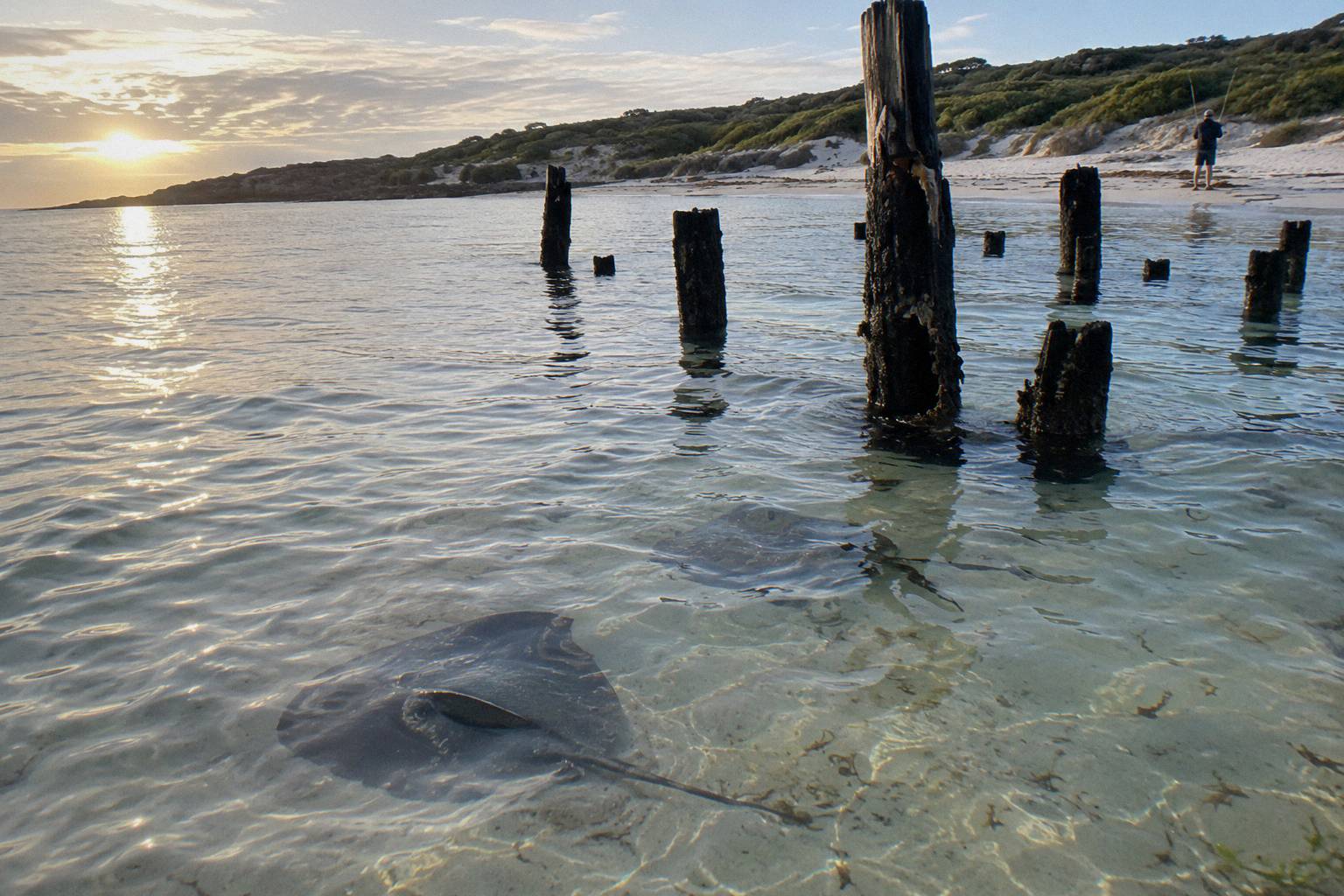
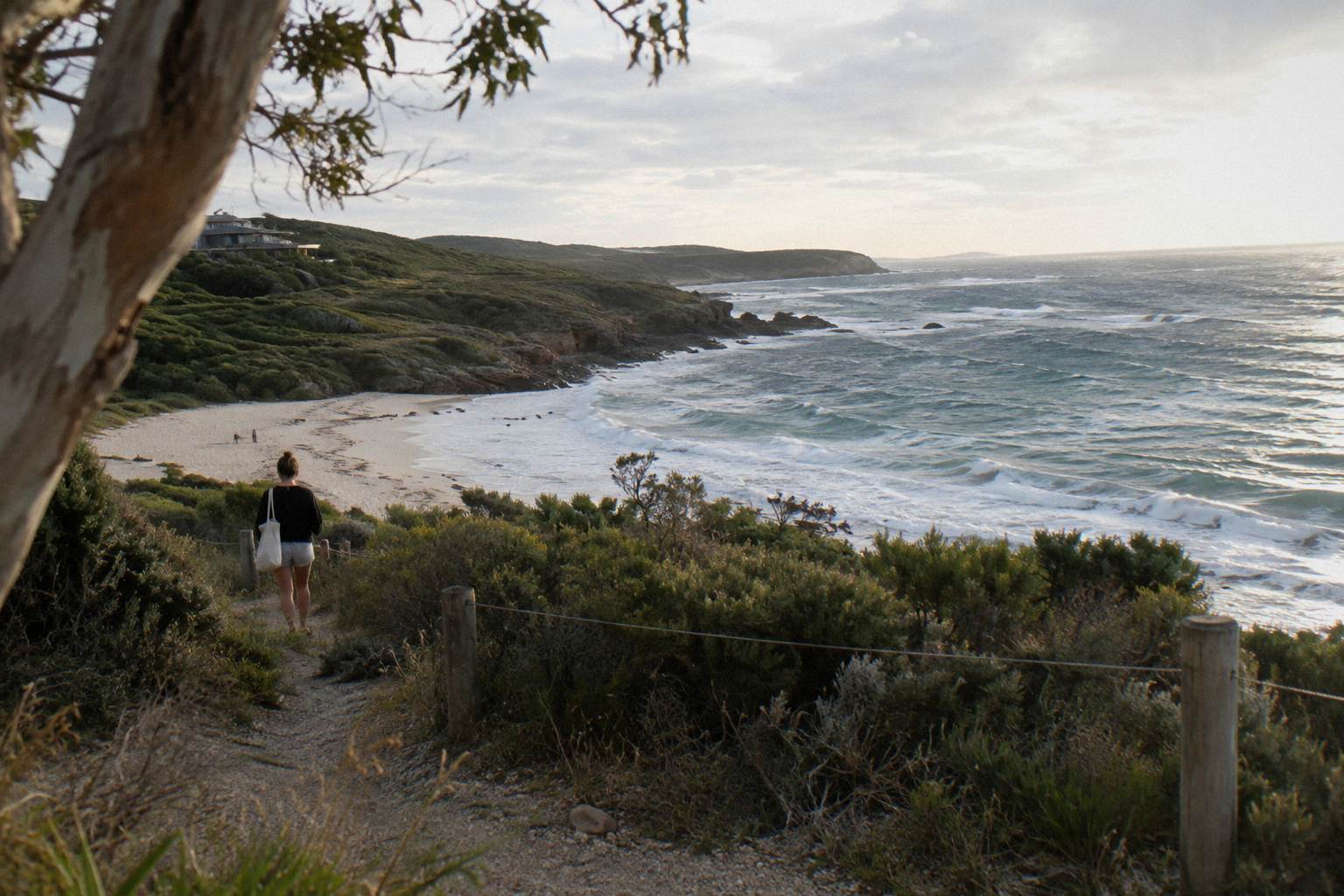
The region's most reliable wildlife encounter is not on the river at all: Hamelin Bay, about 45 minutes south of Margaret River, where stingrays patrol the shallows and are frequent in summer, according to the state parks authority. That is a different place from the canoe paddle, and it is the one wildlife claim in the region backed by an official, published source. The parks authority asks visitors to look and not touch.
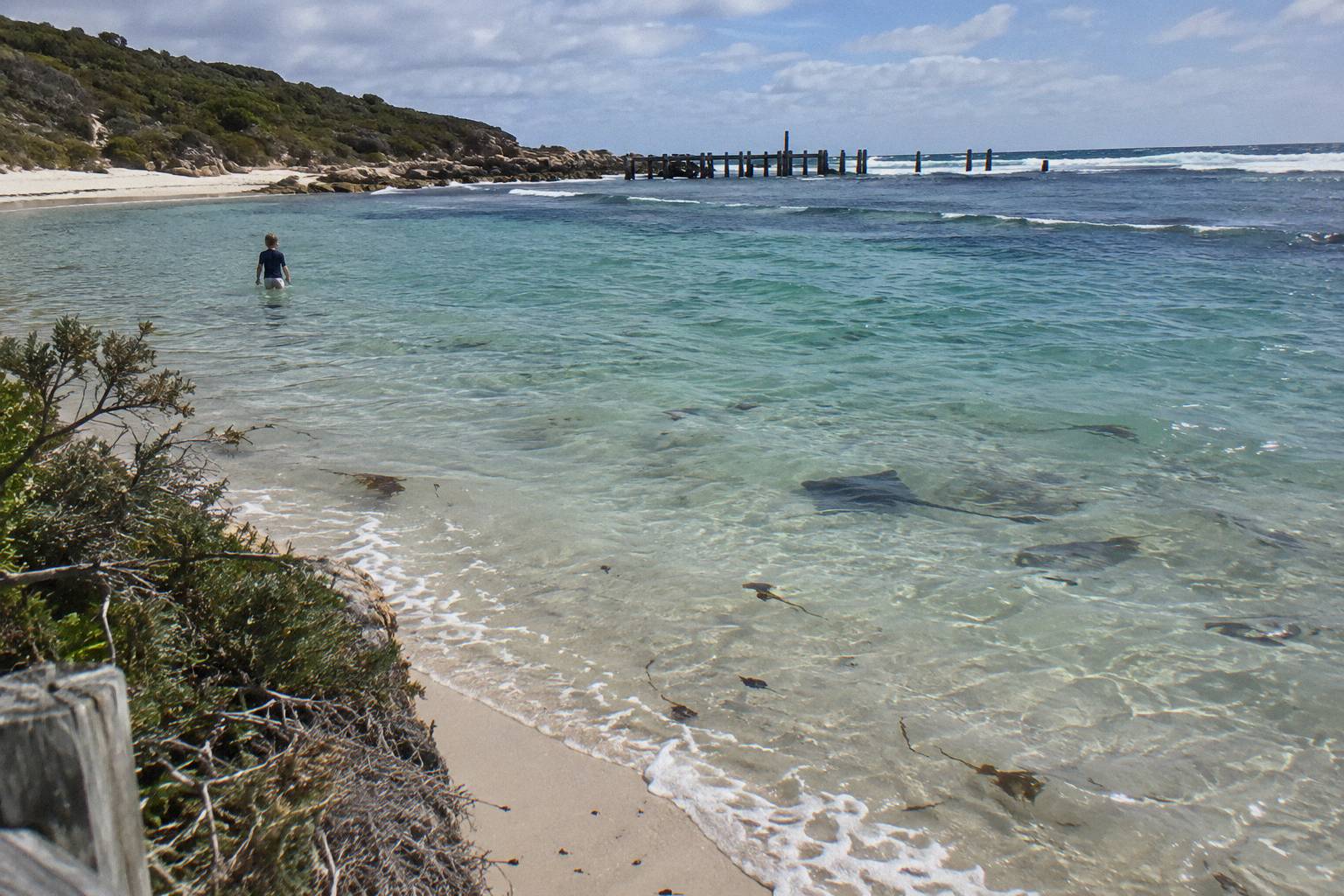
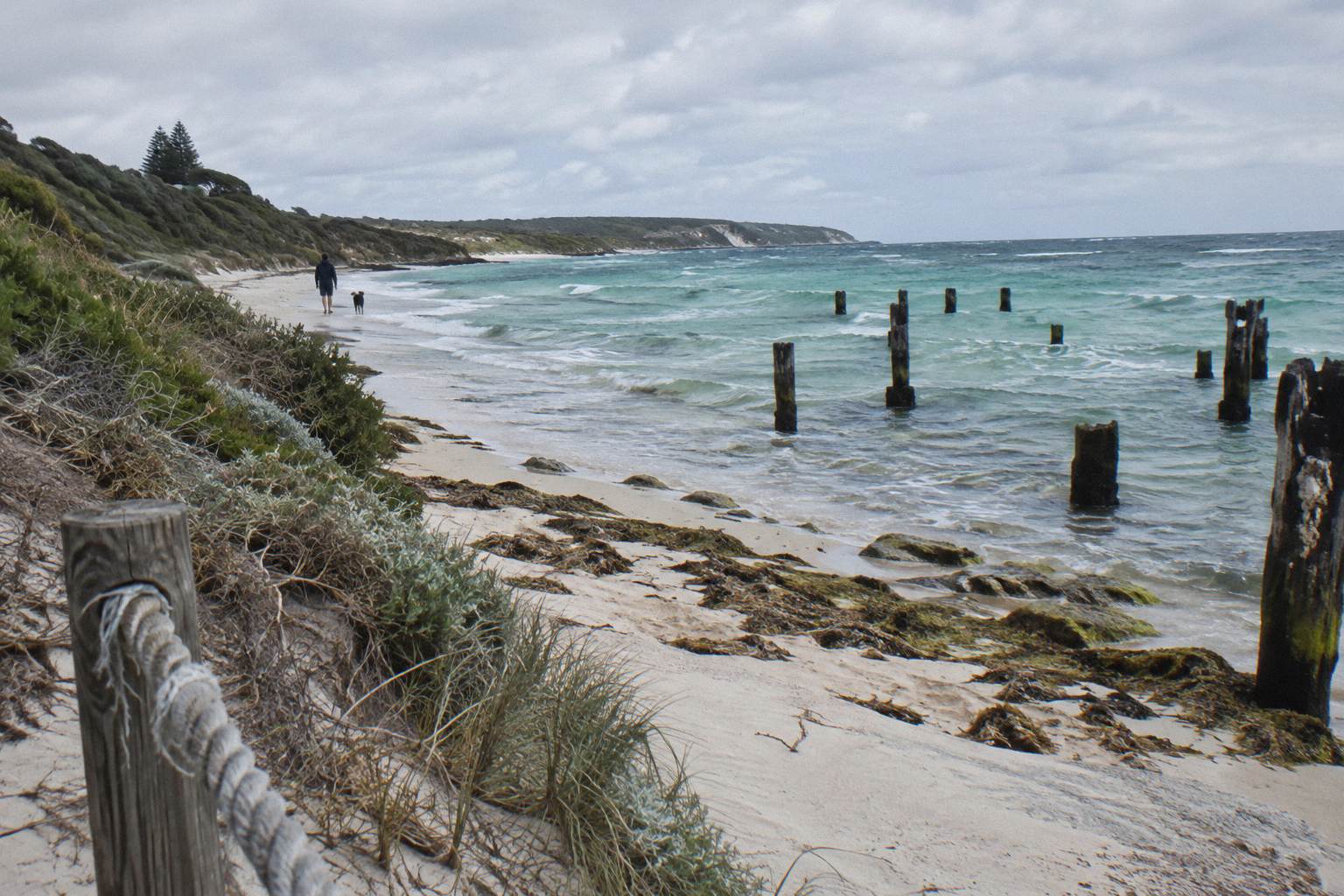
The state parks authority publishes the details: the rays come close to shore at Hamelin Bay, they are seen often in the warmer months, and touching them is off-limits. The bay also carries history, with a jetty built in 1882 and five vessels lost in 1900, plus a short 800 metre Coastal Explorer Walk. If wildlife is the headline reason for your trip to the region, pairing a canoe paddle with a Hamelin Bay visit gives you one published certainty and one genuine possibility, which is a realistic wildlife itinerary.
Other regional wildlife facts exist but stay in their own places. The Calgardup cave stream flows in winter to spring, the Leeuwin-Naturaliste National Park that wraps the whole coast has no park entry fee, and the national park's Traditional Owners are recognised by the parks authority as the Wadandi people. None of it lands on the canoe route. Our guide to other paddles and places in the region maps which water sits where, so you do not end up expecting river animals at an ocean beach.
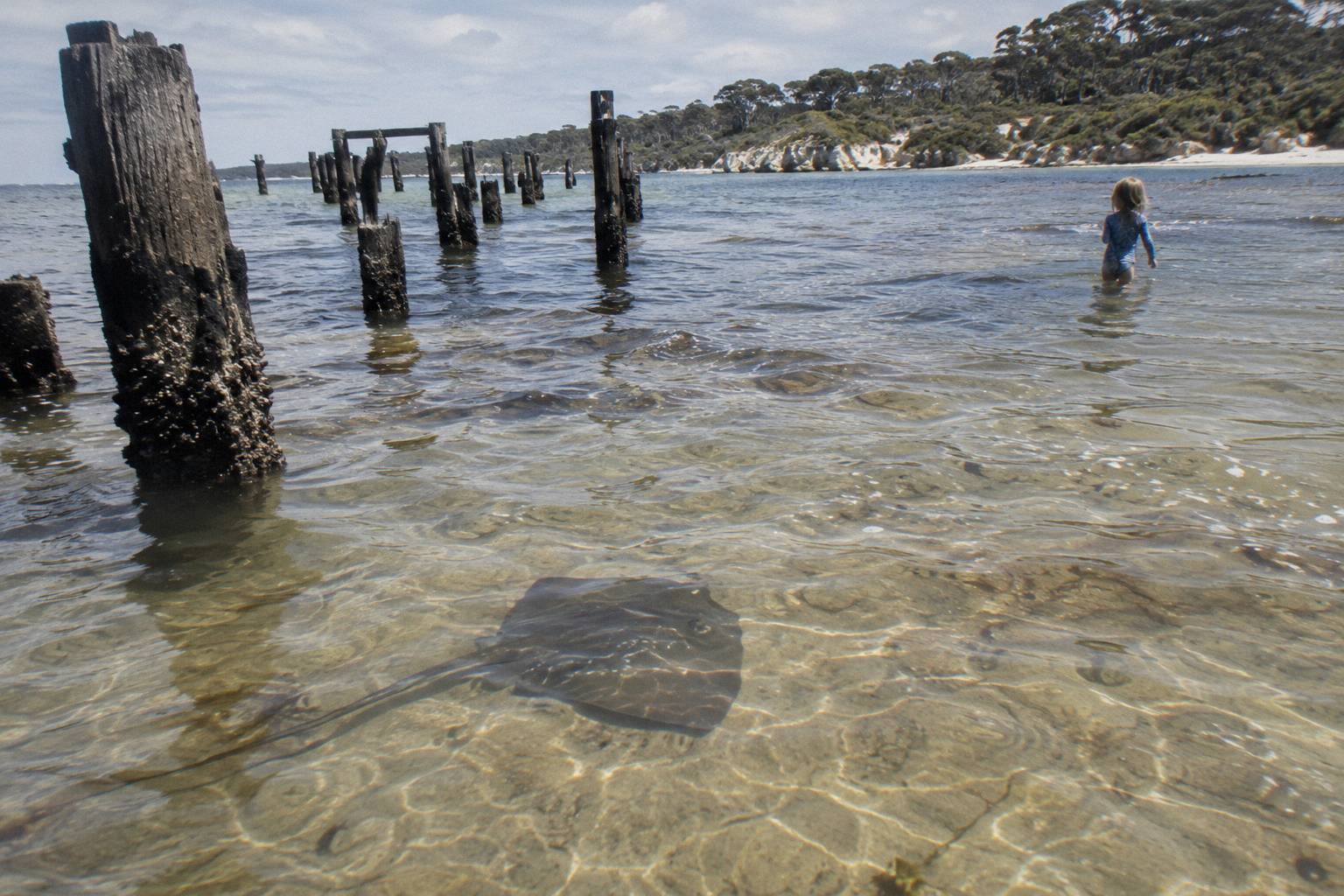
Frame your trip plan this way: book the paddle for the river, the quiet and the lunch, take the Hamelin Bay rays as your near-certain wildlife moment, and let anything the forest offers on the upstream reach be a bonus. Planners who want help sequencing a whole day around the paddle timing will find our day-planning around a canoe paddle guide does exactly that.
Season, River Levels And When The Water Is Quietest
River levels on the Margaret are lowest over summer and autumn, the Shire states, because the sandbar at the mouth opens and closes with river flow, rainfall and ocean conditions. The wettest month at nearby Witchcliffe is July at 194.1 mm on average and the driest is February at 12.2 mm, according to the Bureau of Meteorology. No official source publishes water temperature, depth, flow rate or clarity for this reach, so print none and trust none.
Those climate figures come from the Bureau of Meteorology's Witchcliffe station, inland from the river, averaged over the 22 years to 2021, and they shape the paddling year more than any wildlife calendar. February's mean maximum of 27.1 degrees Celsius against July's 16.4 marks the seasonal swing; rainfall is concentrated from May through September. The Wild Food Canoe Lunch runs year round, the operator says, while the Canoe, 4x4 And Wine Day runs Monday to Friday only. Neither operator publishes a seasonal wildlife claim, and the Bureau's numbers describe weather, not animals, so the two must not be welded together into a promise.
What the seasons do control is the water itself. When the mouth is closed by the sandbar, the lower river settles into the long-lake character the hire base describes, calm and pool-like, which suits both beginner paddlers and quiet shoreline viewing. When winter flow pushes the mouth open, conditions change, and the Shire's advice is firm on one point: do not dig channels through the sandbar. For how the months compare for paddling generally, including the shoulder seasons, our month-by-month paddling weather guide carries the detail.
A winter or spring paddle has its own case: the Calgardup stream flows, the catchment is full, and the forest is at its greenest, though July's 194.1 mm average means wet days are simply part of the deal, and the operator's wet-weather policy is one of the unpublished items to ask about when booking. Summer paddles trade that greenery for warm, low, glassy water and the February dry. Neither season carries a published wildlife advantage, and any claim that one does should be treated the same way as a species list: ask for the source.
Booking With The Right Expectations
Book the paddle as a river experience with a genuine chance of kangaroos on the forested upstream reach, not as a wildlife tour, because no operator sells it as one and no published source supports treating it as one. The Wild Food Canoe Lunch costs from A$150 per person and the Canoe, 4x4 And Wine Day from A$248 per person. Cancellation differs by booking page, so read the page for the date you book.
The choice between them is a style choice, not a quality contest. Four hours on the water with a wild food lunch of around 20 native tastings, kangaroo and emu among them, is a different animal entirely from a six-hour day that adds a 4x4, a waterhole, cliff-top walking and a winery lunch. Vegetarians are catered for on the Bushtucker lunch, though the operator names no other dietary scope, so raise specific needs when booking. If your interest runs more to food than fauna, our guide to what the wild food lunch includes itemises it.
Who you travel with matters too. The Discovery Co day takes at most six guests, which keeps the canoe leg quiet, while Bushtucker's canoes seat two to five people and its group size is unpublished, so ask. Small groups and quiet water are the two conditions you can control, and they are the two that most affect how close the river lets you get to its residents, whatever they turn out to be on the day.
Common Questions About Wildlife On A Canoe Paddle
What Wildlife Is Guaranteed On A Margaret River Canoe Paddle?
Nothing is guaranteed. The only stated wildlife fact is that the route goes upstream past forested kangaroo habitats. No operator publishes a sighting list or promises any species.
Will I See Kangaroos On The Canoe Paddle?
The route passes forested kangaroo habitats upstream of the river mouth, so the habitat is real and on the route. Whether kangaroos appear on your paddle depends on the day, and no operator claims otherwise.
Are There Dolphins In The Margaret River?
No operator or official source publishes a dolphin claim for the canoe route. The river is motor-free and calm, but dolphins are not part of the published record for this paddle.
Where Can I Reliably See Wildlife Near Margaret River?
Hamelin Bay, about 45 minutes south, is the region's published reliable spot: stingrays patrol the shallows and are frequent in summer, and the parks authority asks visitors to look and not touch.
Does The Motor-Free Rule Help Wildlife Viewing?
It removes engine noise from the water entirely, which is the one structural advantage a canoe has. The operator states that no motor craft are permitted on the river.
What Should I Ask The Operator About Wildlife When Booking?
Ask what has been seen on the upstream reach in recent weeks, what birds are common, plus the unpublished practicals: group size, minimum age, cancellation terms and the wet-weather plan.